
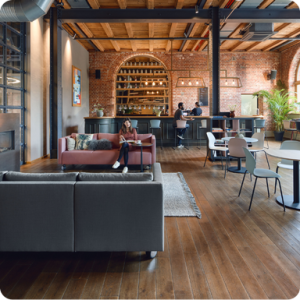


Key Factors Affecting Office Layout
Designing the perfect office layout is challenging for many business owners, who often struggle to understand the factors, considerations, and principles involved. An effective office design should boost productivity, maximise space, and keep employees happy. Innov8 Office specialises in creating tailored workspaces to meet specific needs. So, what factors should you consider when choosing the right office layout?
What are the factors affecting office layout?
Designing the perfect office layout can be a challenging task. Many business owners struggle with understanding the factors, considerations, and principles involved in crafting a space that boosts productivity, maximises space, and keeps employees happy. At Innov8 Office, our expertise in office design ensures that your workspace is tailored to meet your specific needs. So, what are the factors to consider to pick the right office layout for your space? Let’s explore.
Why is a good office design layout important?
A well-designed office layout is crucial for several reasons. Firstly, it can significantly enhance productivity by providing a conducive environment for employees to perform their tasks efficiently. Properly utilising space ensures that every square foot is functional, reducing clutter and optimising workflow. Employee satisfaction is another major benefit, as a thoughtfully planned office layout can improve morale and reduce stress. On the flip side, a poorly designed office can lead to reduced productivity, low morale, and even health problems among employees.
Benefits of a Good Office Layout
01
increased Productivity
An effective layout facilitates easy access to resources and encourages efficient workflow, allowing employees to perform tasks more efficiently.
02
Optimised Space Utilisation
By making the most of available space, you can avoid overcrowding and ensure that every area serves a purpose.
03
Enhanced Employee Satisfaction
A comfortable and well-organised workspace can boost morale, leading to higher job satisfaction and retention rates.
04
Better Collaboration
Strategic placement of workstations and communal areas can foster collaboration and team cohesion.
05
Health and Well-being
A layout that considers ergonomics and adequate lighting can reduce the risk of strain and stress, promoting better health among employees.
Consequences of a Poor Office Layout
01
Reduced Productivity
Cluttered or poorly planned spaces can hinder movement and access to resources, slowing down workflow.
02
Low Morale
Uncomfortable or uninspiring environments can negatively affect employee morale and job satisfaction.
03
Health Issues
Inadequate ergonomic considerations and poor lighting can lead to physical strain and stress-related health problems.


What are the main principles of office floor layout?
When it comes to designing an office layout, several key principles should guide the process:
Ergonomics
Designing workstations and selecting furniture that supports proper posture and reduces the risk of repetitive strain injuries. This includes adjustable chairs, monitor stands, and desks.
Workflow
Arranging spaces in a manner that supports the natural flow of tasks. For example, placing printers and office supplies within easy reach of workstations.
Maximisation
Using vertical space for storage, opting for multifunctional furniture, and ensuring that all areas are used efficiently to avoid wastage of space.
Movement
Creating clear pathways for movement, ensuring that employees can navigate the office without obstacles. This is particularly important in high-traffic areas.
Allocation
Assigning specific areas for different activities, such as meeting rooms, break areas, and individual workstations, to avoid confusion and improve organisation.
Uniformity
Maintaining a consistent design theme, including colour schemes and furniture styles, to create a cohesive and professional look.
Compatibility
Ensuring that the layout supports the unique needs of various departments. For instance, the IT department may require more space for equipment, while the sales team may need more meeting rooms.
Safety
Incorporating safety features such as fire exits, clear signage, and ergonomic furniture to protect employees from harm.
GET IN TOUCH TO KICK START YOUR PROJECT
Speak to our Experts
Visit Our Showroom
Key Factors Affecting Office Layout
When planning your office layout, several key factors must be considered to ensure the space is functional and meets the needs of your business.
- Privacy
- Ergonomics
- Noise
- Office Size
- Office Proximity
- Provisional Space
- Cost
- Comfort
- Social
- Special Zones
- Lighting
- Temperature
- Future Growth
- Business Needs
- Employee Needs
Privacy
In an era of open floor plans, privacy remains a crucial consideration. Tasks such as calls, important meetings, and client confidentiality require a degree of privacy that must be factored into the office layout.
Importance Rating: 8/10
Important For: Legal/HR, Client Confidentiality, Negotiations, High rate of client communications.
Solutions
Partition Walls: Use movable partition walls to create private areas within open spaces.
Soundproof Booths: Install soundproof booths for private calls and confidential meetings.
Office Pods: Incorporate office pods that provide isolated workspaces for employees who need quiet and privacy.
Ergonomics
Ensuring that desks, chairs, and other office furniture support good posture and reduce the risk of strain or injury is essential for employee health and productivity.
Importance Rating: 9/10
Important For: All businesses aiming for employee well-being and efficiency.
Solutions
Adjustable Desks: Invest in height-adjustable desks that allow employees to switch between sitting and standing.
Ergonomic Chairs: Provide ergonomic chairs with lumbar support and adjustable features.
Monitor Stands: Use monitor stands to ensure screens are at eye level, reducing neck strain.
Noise
Managing noise levels is critical in maintaining a productive work environment. Consider soundproofing options or designated quiet areas to minimise distractions.
Importance Rating: 7/10
Important For: Open-plan offices, creative spaces, and environments requiring focus.
Solutions
Acoustic Panels: Install acoustic panels on walls and ceilings to absorb noise.
White Noise Machines: Use white noise machines to mask background noise.
Quiet Zones: Designate specific areas as quiet zones where noise is kept to a minimum.
Office Size
The size of your office will determine how much you can allocate to different workspaces, meeting rooms, and communal areas. Efficient use of space is key.
Importance Rating: 9/10
Important For: All businesses, particularly those with limited space.
Solutions
Modular Furniture: Use modular furniture that can be reconfigured to suit different needs.
Space-saving Storage: Opt for vertical storage solutions to maximise floor space.
Flexible Workstations: Implement flexible workstations that can be shared among employees.
Office Proximity
Proximity refers to the arrangement of different departments and how they interact. Placing related departments close together can enhance collaboration and efficiency.
Importance Rating: 8/10
Important For: Businesses with interdependent departments.
Solutions
Zoning: Create zones for different departments to facilitate easier communication and collaboration.
Shared Spaces: Design shared spaces like breakout areas where employees from different departments can meet.
Central Resources: Place common resources, such as printers and office supplies, in central locations.
Provisional Space
Planning for future growth by including provisional spaces can save time and costs in the long run. This allows for flexibility as the business expands.
Importance Rating: 7/10
Important For: Growing businesses.
Solutions
Multipurpose Areas: Designate areas that can be easily repurposed as the business grows.
Flexible Furniture: Use furniture that can be reconfigured to accommodate changes.
Scalable Design: Create a scalable office layout that can be expanded without major disruptions.
cost
Budget constraints will inevitably influence your office layout. Prioritise spending on areas that will have the most impact on productivity and employee satisfaction.
Importance Rating: 10/10
Important For: All businesses.
Solutions
Budget-friendly Furniture: Choose cost-effective yet durable furniture.
Energy-efficient Lighting: Install energy-efficient lighting to reduce utility costs.
DIY Options: Consider DIY projects for minor office improvements to save costs.
Comfort
Employee comfort should not be overlooked. Comfortable seating, proper lighting, and climate control can significantly affect employee well-being and productivity.
Importance Rating: 8/10
Important For: All businesses.
Solutions
Comfortable Seating: Invest in high-quality, ergonomic seating for all employees.
Natural Light: Maximise the use of natural light where possible.
Climate Control: Implement a reliable climate control system to maintain a comfortable temperature.
Special Zones
Consider including special spaces like prayer rooms, wellness rooms, or dedicated areas for specific employee needs.
Importance Rating: 6/10
Important For: Businesses with diverse employee needs.
Solutions
Prayer Rooms: Designate quiet rooms for prayer or meditation.
Wellness Rooms: Include wellness rooms equipped for relaxation or health-related activities.
Custom Spaces: Create custom spaces tailored to specific employee needs, such as lactation rooms or nap pods.
Lighting
Good lighting is essential for reducing eye strain and creating a pleasant work environment. Natural light is ideal, but adequate artificial lighting is also crucial.
Importance Rating: 9/10
Important For: All Businesses.
Solutions
Natural Light: Arrange workstations to maximise exposure to natural light.
LED Lighting: Use energy-efficient LED lighting to provide consistent illumination.
Task Lighting: Provide task lighting, such as desk lamps, to reduce eye strain.
Temperature
Maintaining a comfortable temperature is key to ensuring employee comfort and productivity. Consider individual temperature controls if possible.
Importance Rating: 8/10
Important For: All Businesses.
Solutions
HVAC Systems: Install efficient HVAC systems with individual controls where possible.
Portable Heaters/Coolers: Provide portable heaters or coolers for personalised comfort.
Thermal Insulation: Ensure the office is well-insulated to maintain a stable temperature.
Future Growth
Plan for future growth by designing a flexible layout that can be easily adapted as the business expands.
Importance Rating: 7/10
Important For: Growing Businesses.
Solutions
Expandable Design: Use a modular layout that can be easily expanded.
Future-proof Infrastructure: Install infrastructure that supports future technological upgrades.
Scalable Furniture: Choose furniture that can be added to or expanded as needed.
Business Needs
Tailor the layout to meet the specific needs of your business, whether that’s collaborative spaces, private offices, or a mix of both.
Importance Rating: 10/10
Important For: All Businesses.
Solutions
Custom Layouts: Design custom layouts that cater to specific business operations.
Flexible Spaces: Create spaces that can serve multiple functions based on business needs.
Consultation Services: Engage in professional consultation services to ensure the layout meets all business requirements.
Employee Needs
Consult your employees to understand their needs and preferences. This can lead to a more functional and harmonious office environment.
Importance Rating: 9/10
Important For: All Businesses.
Solutions
Surveys and Feedback: Conduct regular surveys to gather employee feedback on office layout.
Personalised Spaces: Allow employees to personalise their workspaces within reason.
Well-being Initiatives: Implement initiatives that promote employee well-being, such as ergonomic assessments and wellness programmes.
Privacy
In an era of open floor plans, privacy remains a crucial consideration. Tasks such as calls, important meetings, and client confidentiality require a degree of privacy that must be factored into the office layout.
Importance Rating:
8/10
Important For:
Legal/HR, Client Confidentiality, Negotiations, High rate of client communications.
Solutions:
Partition Walls – Use movable partition walls to create private areas within open spaces.
Soundproof Booths – Install soundproof booths for private calls and confidential meetings.
Office Pods – Incorporate office pods that provide isolated workspaces for employees who need quiet and privacy.
Ergonomics
Ensuring that desks, chairs, and other office furniture support good posture and reduce the risk of strain or injury is essential for employee health and productivity.
Importance Rating:
9/10
Important For:
All businesses aiming for employee well-being and efficiency.
Solutions:
Adjustable Desks: Invest In Height-Adjustable Desks That Allow Employees To Switch Between Sitting And Standing.
Ergonomic Chairs: Provide Ergonomic Chairs With Lumbar Support And Adjustable Features.
Monitor Stands: Use Monitor Stands To Ensure Screens Are At Eye Level, Reducing Neck Strain.
Noise
Managing noise levels is critical in maintaining a productive work environment. Consider soundproofing options or designated quiet areas to minimise distractions.
Importance Rating:
7/10
Important For:
Open-plan offices, creative spaces, and environments requiring focus.
Solutions:
Acoustic Panels: Install Acoustic Panels On Walls And Ceilings To Absorb Noise.
White Noise Machines: Use White Noise Machines To Mask Background Noise.
Quiet Zones: Designate Specific Areas As Quiet Zones Where Noise Is Kept To A Minimum.
Office Size
The size of your office will determine how much you can allocate to different workspaces, meeting rooms, and communal areas. Efficient use of space is key.
Importance Rating:
9/10
Important For:
All businesses, particularly those with limited space.
Solutions
Modular Furniture: Use Modular Furniture That Can Be Reconfigured To Suit Different Needs.
Space-Saving Storage: Opt For Vertical Storage Solutions To Maximise Floor Space.
Flexible Workstations: Implement Flexible Workstations That Can Be Shared Among Employees.
Office Proximity
Proximity refers to the arrangement of different departments and how they interact. Placing related departments close together can enhance collaboration and efficiency.
Importance Rating: 8/10
Important For: Businesses with interdependent departments.
Solutions
Zoning: Create Zones For Different Departments To Facilitate Easier Communication And Collaboration.
Shared Spaces: Design Shared Spaces Like Breakout Areas Where Employees From Different Departments Can Meet.
Central Resources: Place Common Resources, Such As Printers And Office Supplies, In Central Locations.
Provisional Space
Planning for future growth by including provisional spaces can save time and costs in the long run. This allows for flexibility as the business expands.
Importance Rating:
7/10
Important For:
Growing businesses.
Solutions
Multipurpose Areas: Designate Areas That Can Be Easily Repurposed As The Business Grows.
Flexible Furniture: Use Furniture That Can Be Reconfigured To Accommodate Changes.
Scalable Design: Create A Scalable Office Layout That Can Be Expanded Without Major Disruptions.
Cost
Budget constraints will inevitably influence your office layout. Prioritise spending on areas that will have the most impact on productivity and employee satisfaction.
Importance Rating:
10/10
Important For:
All businesses.
Solutions
Budget-Friendly Furniture: Choose Cost-Effective Yet Durable Furniture.
Energy-Efficient Lighting: Install Energy-Efficient Lighting To Reduce Utility Costs.
DIY Options: Consider DIY Projects For Minor Office Improvements To Save Costs.
Comfort
Employee comfort should not be overlooked. Comfortable seating, proper lighting, and climate control can significantly affect employee well-being and productivity.
Importance Rating:
8/10
Important For:
All businesses.
Solutions
Comfortable Seating: Invest In High-Quality, Ergonomic Seating For All Employees.
Natural Light: Maximise The Use Of Natural Light Where Possible.
Climate Control: Implement A Reliable Climate Control System To Maintain A Comfortable Temperature.
Social
Incorporate spaces that encourage social interaction, such as lounges or communal areas, to foster teamwork and a positive work culture.
Importance Rating:
7/10
Important For:
Businesses aiming to enhance teamwork and company culture.
Solutions
Lounge Areas: Create Comfortable Lounge Areas With Seating And Recreational Activities.
Communal Tables: Use Large Communal Tables In Break Rooms Or Kitchens To Encourage Socialising.
Activity Zones: Include Zones For Activities Such As Games Or Fitness To Promote Social Interaction.
Special Zones
Consider including special spaces like prayer rooms, wellness rooms, or dedicated areas for specific employee needs.
Importance Rating:
6/10
Important For:
Businesses with diverse employee needs.
Solutions
Prayer Rooms: Designate Quiet Rooms For Prayer Or Meditation.
Wellness Rooms: Include Wellness Rooms Equipped For Relaxation Or Health-Related Activities.
Custom Spaces: Create Custom Spaces Tailored To Specific Employee Needs, Such As Lactation Rooms Or Nap Pods.
Lighting
Good lighting is essential for reducing eye strain and creating a pleasant work environment. Natural light is ideal, but adequate artificial lighting is also crucial.
Importance Rating:
9/10
Important For:
All Businesses.
Solutions
Natural Light: Arrange Workstations To Maximise Exposure To Natural Light.
LED Lighting: Use Energy-Efficient LED Lighting To Provide Consistent Illumination.
Task Lighting: Provide Task Lighting, Such As Desk Lamps, To Reduce Eye Strain.
Temperature
Maintaining a comfortable temperature is key to ensuring employee comfort and productivity. Consider individual temperature controls if possible.
Importance Rating:
8/10
Important For:
All Businesses.
Solutions
HVAC Systems: Install Efficient HVAC Systems With Individual Controls Where Possible.
Portable Heaters/Coolers: Provide Portable Heaters Or Coolers For Personalised Comfort.
Thermal Insulation: Ensure The Office Is Well-Insulated To Maintain A Stable Temperature.
Future Growth
Plan for future growth by designing a flexible layout that can be easily adapted as the business expands.
Importance Rating:
7/10
Important For:
Growing Businesses.
Solutions
Expandable Design: Use A Modular Layout That Can Be Easily Expanded.
Future-Proof Infrastructure: Install Infrastructure That Supports Future Technological Upgrades.
Scalable Furniture: Choose Furniture That Can Be Added To Or Expanded As Needed.
Business Needs
Tailor the layout to meet the specific needs of your business, whether that’s collaborative spaces, private offices, or a mix of both.
Importance Rating:
10/10
Important For:
All Businesses.
Solutions
Custom Layouts: Design Custom Layouts That Cater To Specific Business Operations.
Flexible Spaces: Create Spaces That Can Serve Multiple Functions Based On Business Needs.
Consultation Services: Engage In Professional Consultation Services To Ensure The Layout Meets All Business Requirements.
So what makes a good office layout?
Ultimately, a “good” office layout is one that meets the specific requirements of your business. It should enhance productivity, promote employee satisfaction, and be adaptable to future growth. At Innov8 Office, we understand that every business is unique, and we’re here to help you design a workspace that perfectly aligns with your goals.
If you need assistance designing your office layout, get in touch with us. Explore our related articles to dive deeper into office design considerations and principles.

Browse Our Work
We take pride in building robust relationships that last! Have a look at some of our other projects.
catalyst, Bedford street

Metro Office

An Garda Síochána

Tughans

Workrise

Portview

GET IN TOUCH TO
KICK START YOUR PROJECT
Get in touch with our expert team to start your dream project! Our Free Design Service will enable you to kick start the creative process with a no-obligation survey and space plan!
Address
384 Donegall Road, Belfast, Northern Ireland, BT12 6FY
Hours
Mon – Fri
09:00 – 17:00


Social
Incorporate spaces that encourage social interaction, such as lounges or communal areas, to foster teamwork and a positive work culture.
Importance Rating: 7/10
Important For: Businesses aiming to enhance teamwork and company culture.
Solutions
Lounge Areas: Create comfortable lounge areas with seating and recreational activities.
Communal Tables: Use large communal tables in break rooms or kitchens to encourage socialising.
Activity Zones: Include zones for activities such as games or fitness to promote social interaction.